Fabric Restoration Guide
Discover gentle, natural methods for restoring and preserving textiles without harsh chemicals or synthetic treatments.
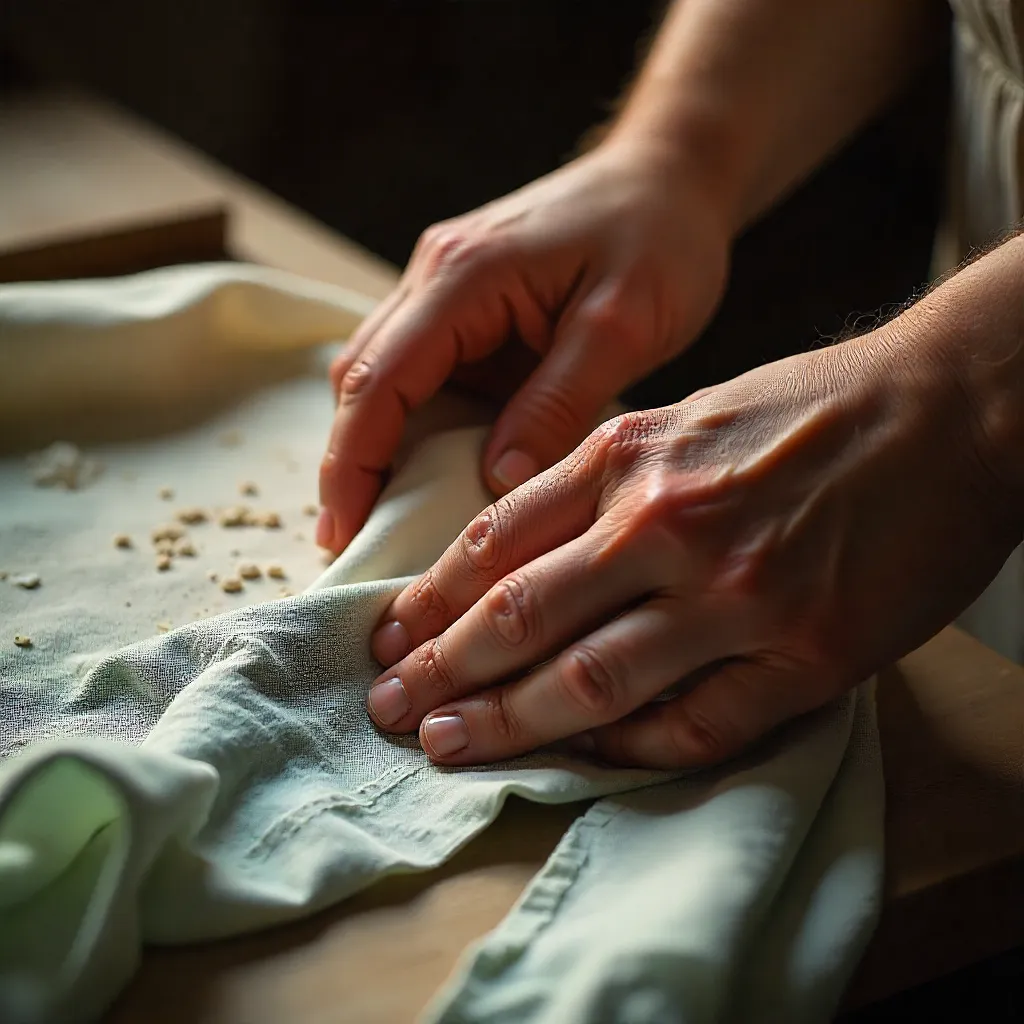
Removing Stains Naturally
Natural stain removal methods are gentle on fabrics while effectively breaking down common stains. These techniques preserve fabric integrity and avoid the damage that harsh chemicals can cause.
Organic Matter Stains
For food, grass, and biological stains, start with cold water and gentle blotting. Apply a paste of baking soda and water, let it sit, then rinse. For persistent stains, use white vinegar diluted in water as a pretreatment.
Always test on a hidden area first
Oil and Grease
Cornstarch or talcum powder can absorb fresh oil stains. Apply generously, let sit overnight, then brush away. For older stains, create a mixture of dish soap (plant-based) and warm water, apply gently, then rinse thoroughly.
Work from outside the stain toward the center
Ink and Dye Stains
Milk can help lift ink stains from natural fibers. Soak the affected area in whole milk for several hours, then wash normally. For dye transfers, repeated gentle washing with natural soap often gradually removes the stain.
Patience is key for stubborn stains
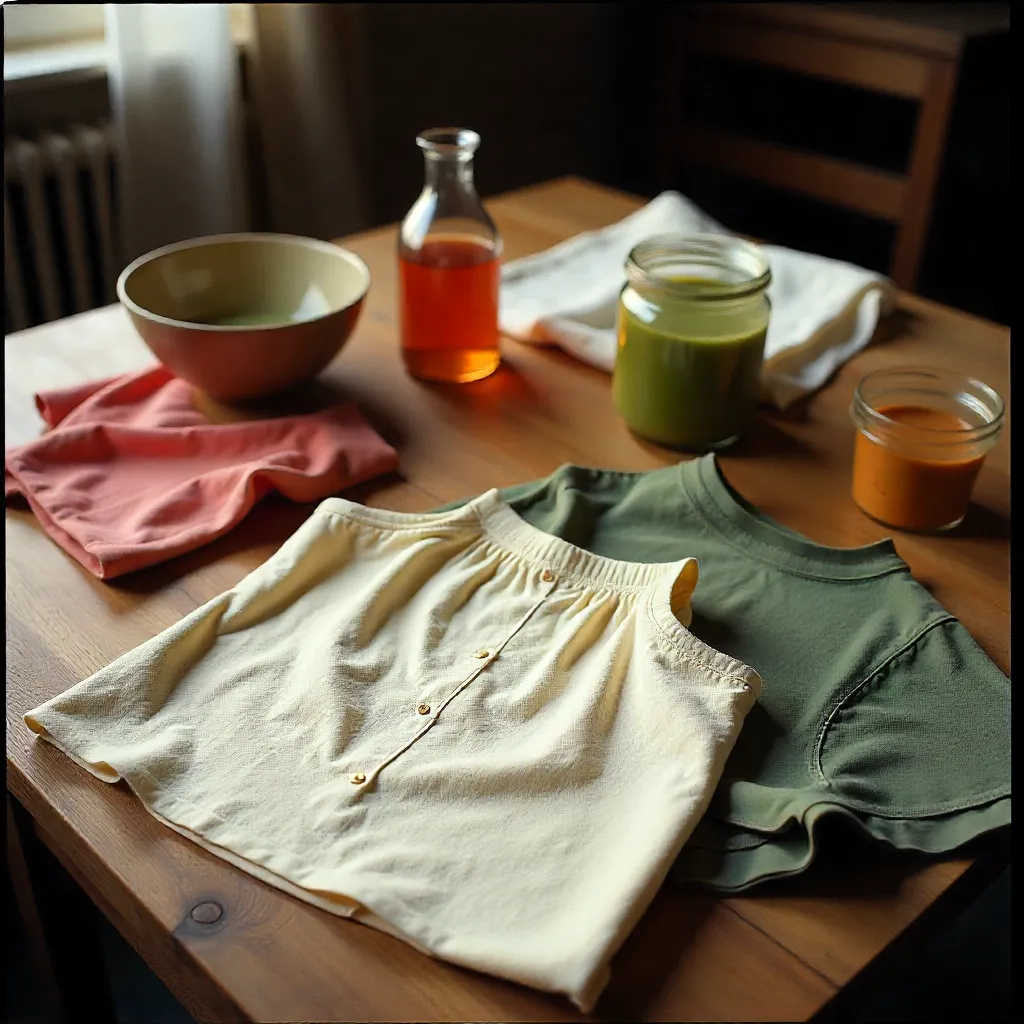
Repairing Tears with Minimal Chemicals
Fabric repairs can be accomplished using traditional techniques that require minimal or no synthetic adhesives, preserving the fabric's natural character and longevity.
Darning
Traditional darning uses matching thread to weave new material into damaged areas. This technique is invisible when done skillfully and maintains fabric flexibility. Perfect for small holes and worn areas.
Patching
Repurpose fabric from hidden areas or matching textiles to create patches. Hand-stitch using small, even stitches for strength and visual appeal. This method adds character while maintaining functionality.
Visible Mending
Turn repairs into decorative elements using colorful threads and creative stitching patterns. This approach celebrates the fabric's history while extending its useful life.
Color Restoration Using Natural Dyes
Faded fabrics can be revitalized using natural dyes that complement existing colors or provide gentle overall toning. This approach maintains the fabric's character while bringing back vibrancy.
Assess Original Color
Examine the fabric under natural light to understand its original shade. Check hidden areas like seams or hems that may retain the original color. This assessment guides dye selection for best matching.
Choose Matching Dye
Select a plant-based dye that closely matches or complements the original color. Start with a weak solution and gradually strengthen if needed. Natural dyes often produce more complex, nuanced colors than synthetics.
Even Application
Ensure even immersion and gentle agitation during dyeing to prevent splotches. Use proper mordants to help the color bond evenly. Rinse thoroughly with cold water until water runs clear.
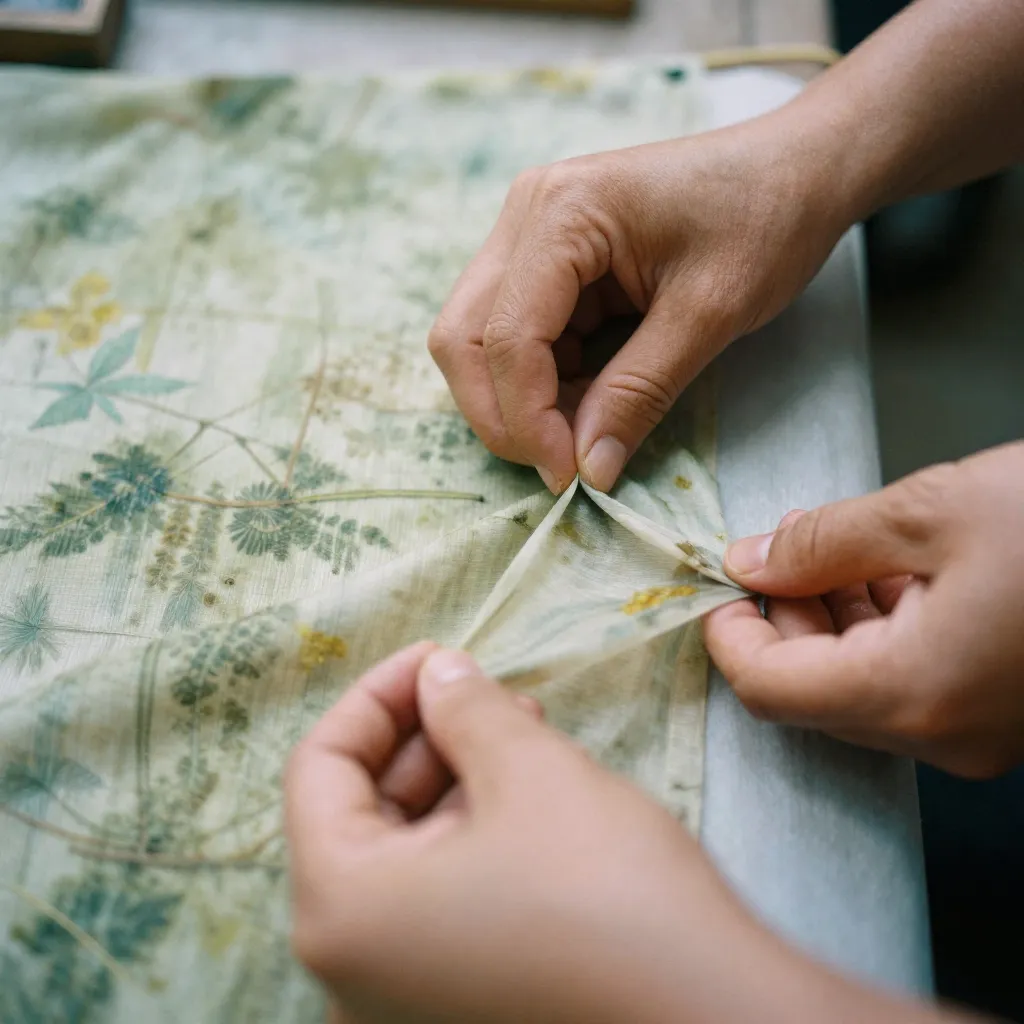
Preserving Old Textiles Without Synthetic Treatments
Proper storage and care can significantly extend textile life without resorting to chemical preservatives or treatments.
Storage Conditions
Store textiles in a cool, dry, dark environment with stable humidity levels (around 50%). Use acid-free tissue paper for wrapping and avoid plastic containers that can trap moisture. Allow fabrics to breathe while protecting them from light and pests.
Cleaning Approach
Gentle vacuuming with a soft brush attachment removes surface dirt without stressing fibers. For washing, use lukewarm water and mild, pH-neutral soap. Avoid aggressive scrubbing or wringing, which can damage delicate fibers.
Handling Guidelines
Always support the full weight of textiles when handling to prevent stress on weak areas. Wash hands before contact to avoid transferring oils. Use clean, flat surfaces for examination and work.