Sustainable Dyeing Techniques
Master the art of natural fabric dyeing using traditional plant-based methods and modern sustainable practices.
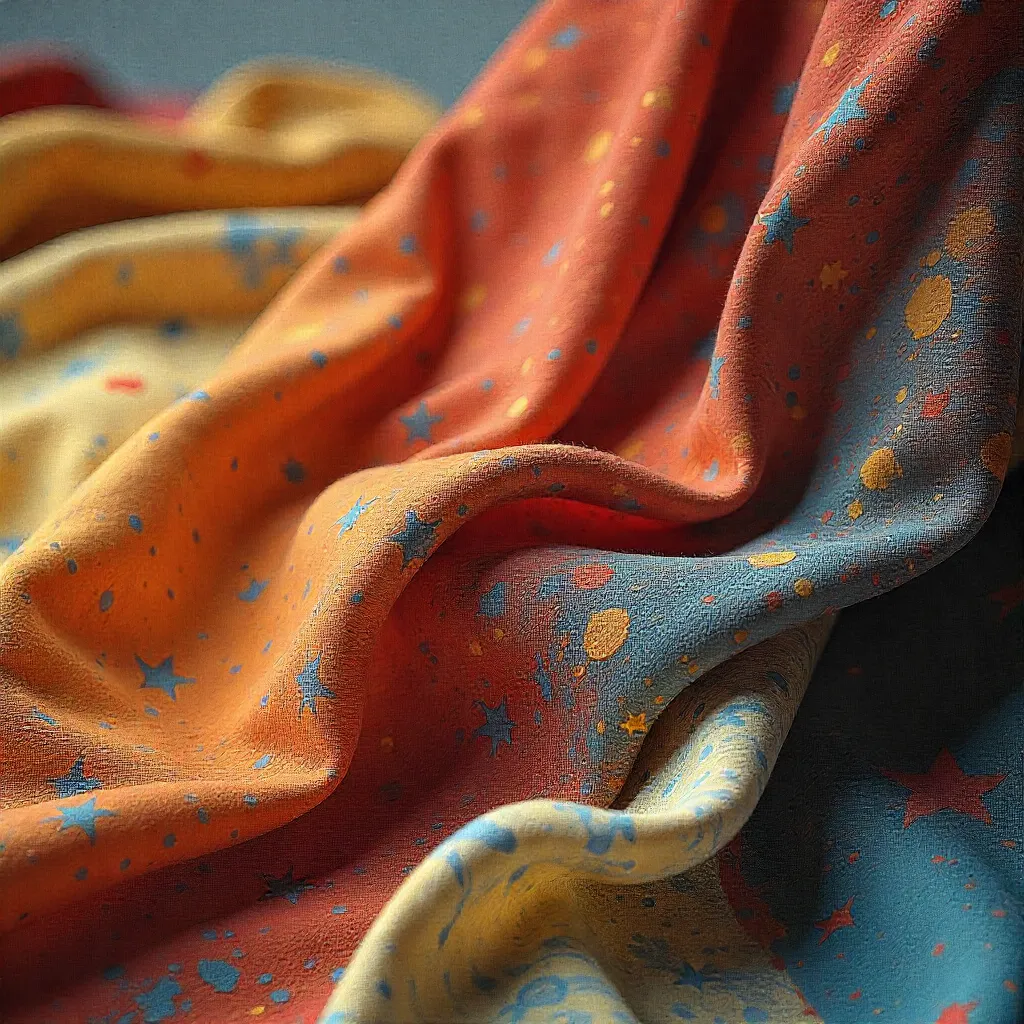
Plant-Based Dyes
Plant-based dyes offer a rich palette of colors derived directly from nature. Each plant material provides unique hues that can be enhanced through proper preparation and application techniques.
Indigo
Indigo produces deep blue tones and is one of the oldest natural dyes. The process involves fermentation of indigo leaves to create the dye bath. Traditionally used for denim and workwear fabrics, indigo provides excellent colorfastness when properly applied.
Best for: Cotton, linen, and hemp fabrics
Madder Root
Madder root yields rich reds, oranges, and pinks depending on the mordant used. The roots are harvested, dried, and ground before dyeing. This dye has excellent lightfastness and produces warm, vibrant colors that age beautifully.
Best for: Wool, silk, and natural fibers
Turmeric
Turmeric creates bright yellow and golden tones. This spice-based dye is readily available and produces vibrant colors quickly. However, turmeric requires a good mordant as it can fade with washing. Perfect for achieving warm, sunny hues.
Best for: Cotton, silk, and light-colored fabrics
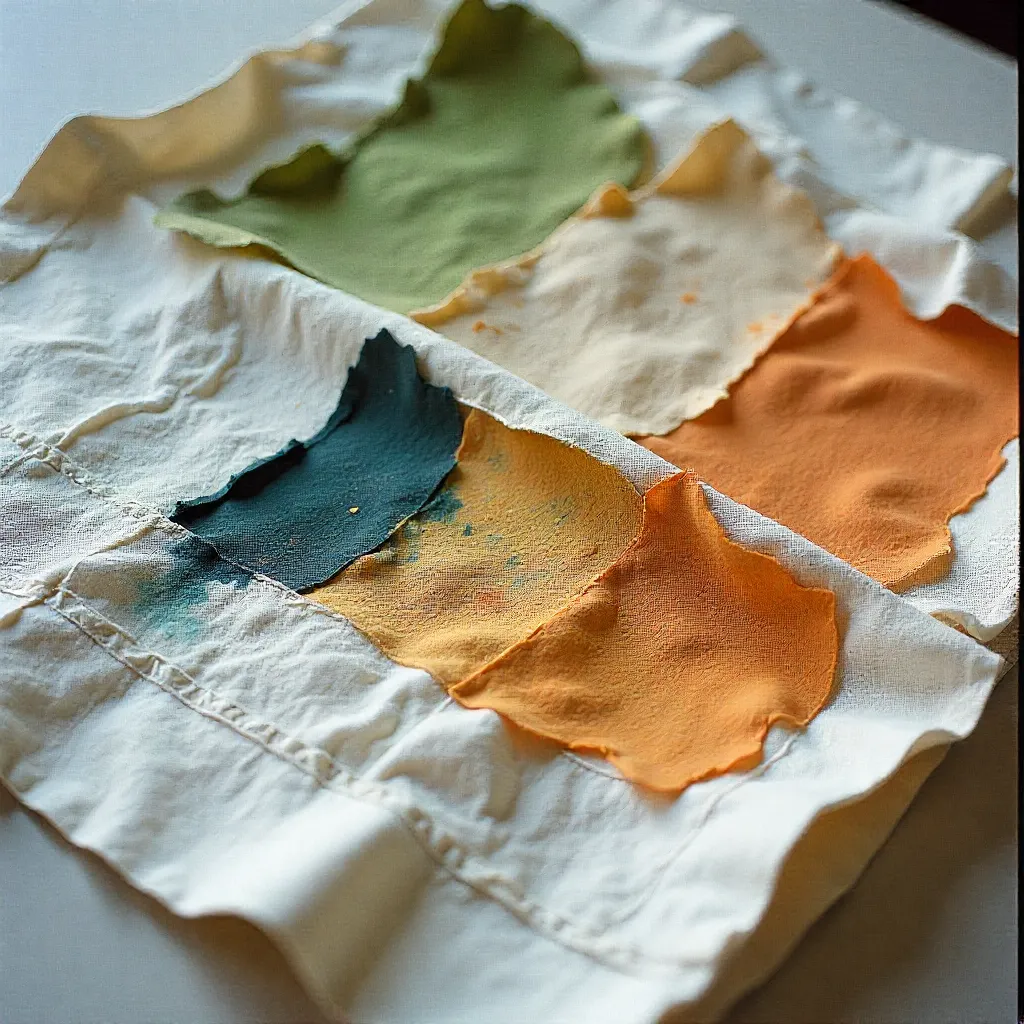
Low-Water and Low-Energy Processes
Traditional dyeing methods often require large amounts of water and extended heating periods. Our sustainable approach focuses on techniques that minimize resource consumption while maintaining excellent results.
Cold Dyeing Method
Some plant dyes work effectively at room temperature, eliminating the need for constant heating. This method reduces energy consumption by up to 70% while producing rich, even colors.
Recycled Dye Baths
Dye solutions can often be reused multiple times for lighter shades. This practice significantly reduces water usage and waste, making the process more sustainable and cost-effective.
Solar Dyeing
Using solar energy for heat-intensive dyeing processes reduces reliance on electricity. This method works particularly well in sunny climates and can produce beautiful, sun-infused colors.
Natural Mordants
Mordants help dyes bond to fabric fibers, improving colorfastness and durability. We use only natural mordants that are safe for both fabric and environment.
Alum
Potassium aluminum sulfate is one of the most common natural mordants. It works well with most plant dyes and helps achieve bright, clear colors. Safe for most fabrics when used correctly.
Iron
Iron mordant, often from rusty objects or ferrous sulfate, darkens colors and creates deeper, more muted tones. It's particularly effective for achieving gray, black, and deep brown shades.
Tannin
Derived from oak galls, tea, or sumac, tannin serves as both a dye and mordant. It's excellent for natural fibers and helps other dyes adhere better while adding depth to colors.
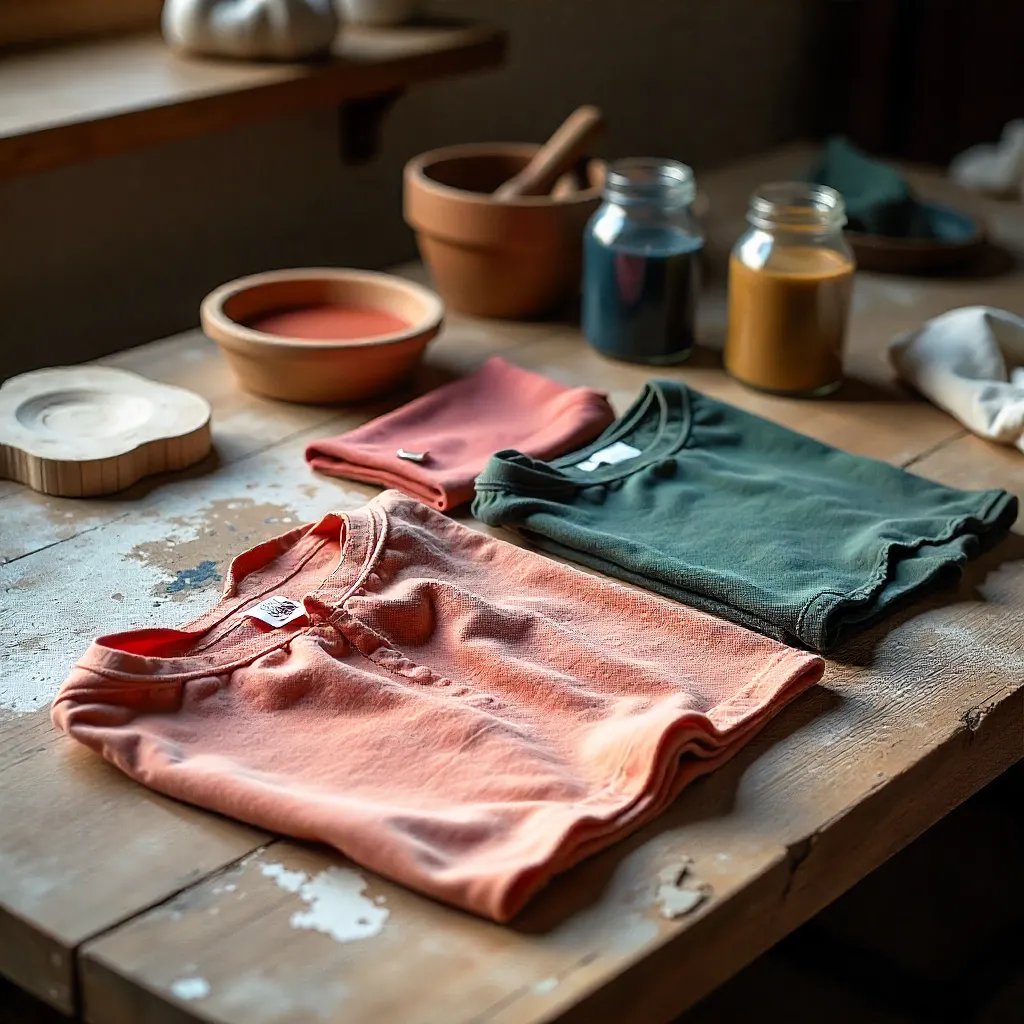
Seasonal Dyeing Tips for Nordic Climates
Working with natural dyes in cooler climates requires understanding seasonal availability and adapting techniques to local conditions.
Spring & Summer
Take advantage of fresh plant materials available during warmer months. Nettles, dandelions, and early berries provide excellent dye sources. Longer daylight hours allow for better solar dyeing results.
Autumn
Harvest leaves, roots, and late berries for rich, earthy tones. Walnut hulls, onion skins, and autumn leaves create warm browns, oranges, and yellows. This is an ideal time for collecting materials to dry for year-round use.
Winter
Use preserved and dried materials collected in other seasons. Indoor dyeing becomes more practical, and you can focus on techniques that work well in controlled environments. This is an excellent time for planning and preparation.